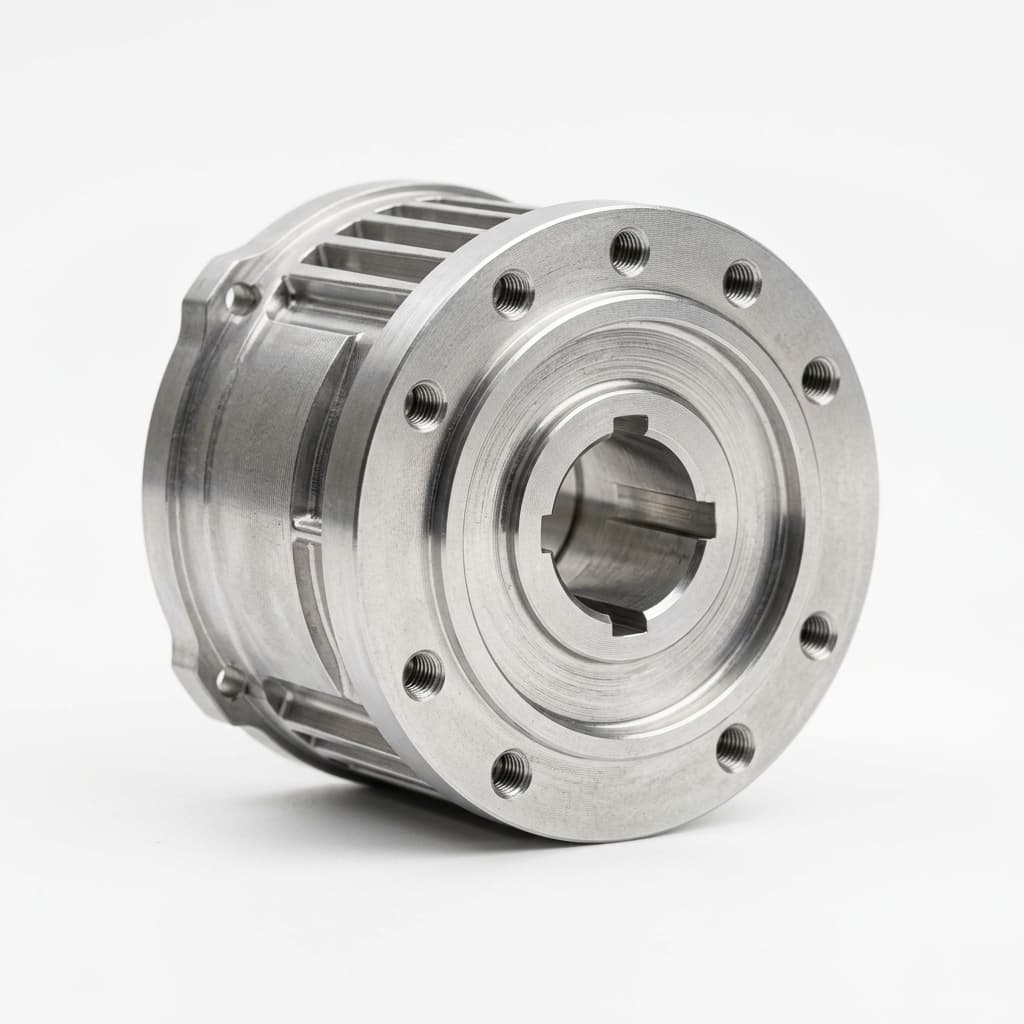
Magnetic Assembly Prototype-to-Pilot Gate Review Template
Gate review model for moving magnetic assembly projects from prototype approval to stable pilot execution with measurable quality, process, and shipment controls.
The most expensive phase in magnetic assembly programs is not always mass production. It is the handoff between approved prototype and pilot ramp.
Teams often approve prototypes on performance, then discover pilot failure modes in process control, documentation, or logistics.
Related OEM execution page: Scale-up Supply Governance.
Why prototype success does not guarantee pilot success
Prototype approval usually proves feasibility under controlled conditions. Pilot readiness requires repeatability under lot conditions, document discipline, and clear owner handoffs. Missing any of these creates hidden schedule debt.
Four-gate review framework
Use a strict gate model and require objective evidence at each step.
| Gate | Focus | Exit condition | Primary owner |
|---|---|---|---|
| Gate 1 | Engineering freeze | Revision, datums, and acceptance methods frozen | Buyer engineering lead |
| Gate 2 | Process readiness | Work instructions, fixtures, and measurement path repeatable | Supplier process + QA |
| Gate 3 | Quality evidence pack | CTQ, runout, balancing, and NCR closure evidence complete | Joint quality owners |
| Gate 4 | Shipment and compliance readiness | Document routing and release checklist closed | Logistics/compliance owners |
Gate 1: Engineering freeze
Before pilot launch, freeze:
- drawing revision and datum strategy;
- magnet orientation map and assembly sequence;
- critical-to-function tolerances and test methods;
- air-gap/concentricity assumptions where electromechanical interfaces apply.
No pilot lot should start while these are still moving.
Gate 2: Process readiness
Validate whether the process can repeat:
- fixture stability and capability for target quantity;
- inspection route and measurement system readiness;
- adhesive, curing, and balancing work instructions.
Prototype success without process readiness is not pilot readiness.
Visual: prototype-to-pilot release path
Gate 3: Quality evidence package
Require a minimum evidence set:
- CMM and runout reports with revision trace;
- balancing records under agreed test condition;
- nonconformance and corrective-action log from prototype stage.
This converts knowledge from individuals into transferable production control.
Gate 4: Compliance and shipment readiness
Pilot release must include:
- destination-specific shipping document pack;
- owner assignment for submission and updates;
- escalation path for hold/reject cases.
When this gate is skipped, finished hardware waits in inventory instead of shipping.
Pilot readiness scorecard
Use a 100-point scorecard to prevent subjective decisions:
| Dimension | Weight | Pass rule |
|---|---|---|
| Engineering freeze quality | 25 | Revision and CTQ contract closed |
| Process repeatability | 25 | Fixtures/methods verified under lot context |
| Evidence completeness | 30 | Required reports and NCR closure package complete |
| Shipment/compliance readiness | 20 | Destination document path and owner matrix closed |
A minimum pass score of 85 with no red gate is a practical launch baseline.
Stop-condition list
Do not release pilot lots if any condition is true:
- open CTQ without named method;
- unresolved mismatch between drawing revision and process instructions;
- balancing target defined but test speed/format undefined;
- compliance document owner not assigned.
A practical rule for launch teams
If one gate is red, the program is not ready to scale. Moving forward anyway creates hidden schedule debt that appears later as emergency rework.
A clear four-gate review keeps the team aligned and makes pilot output predictable for sourcing and integration teams.
RFQ and gate-review template block
Program: [name]
Assembly family: [rotor/stator/module]
Current revision: [rev]
Pilot lot size: [x]

Gate 1:
- CTQ matrix closed? [yes/no]
- Test method map closed? [yes/no]

Gate 2:
- Work instructions released? [yes/no]
- Measurement setup repeatable? [yes/no]

Gate 3:
- CMM/runout/balance reports complete? [yes/no]
- NCR log closed? [yes/no]

Gate 4:
- Shipment/compliance owner assigned? [yes/no]
- Document pack complete? [yes/no]
This format reduces ambiguity and gives engineering, sourcing, and QA one decision language.
Author

Categories
More Posts
Digital Product Passport (DPP) Data Readiness for CNC Machined Assemblies
A 2026 procurement guide to CNC machining supplier DPP readiness under EU ESPR, with data vectors, RFQ audit checks, source limits, and buyer actions.
EU CBAM Data-Readiness for CNC Aluminum Components: A Procurement Checklist
Use this 2026 procurement checklist to source CNC aluminum components for EU CBAM readiness: emissions evidence, supplier questions, and RFQ controls.
CNC vs MIM for Robotics Actuators - Cost and Validation Framework
Practical decision framework for actuator teams comparing CNC-first and MIM-transition routes across volume bands, tolerance risk, and pilot release gates.