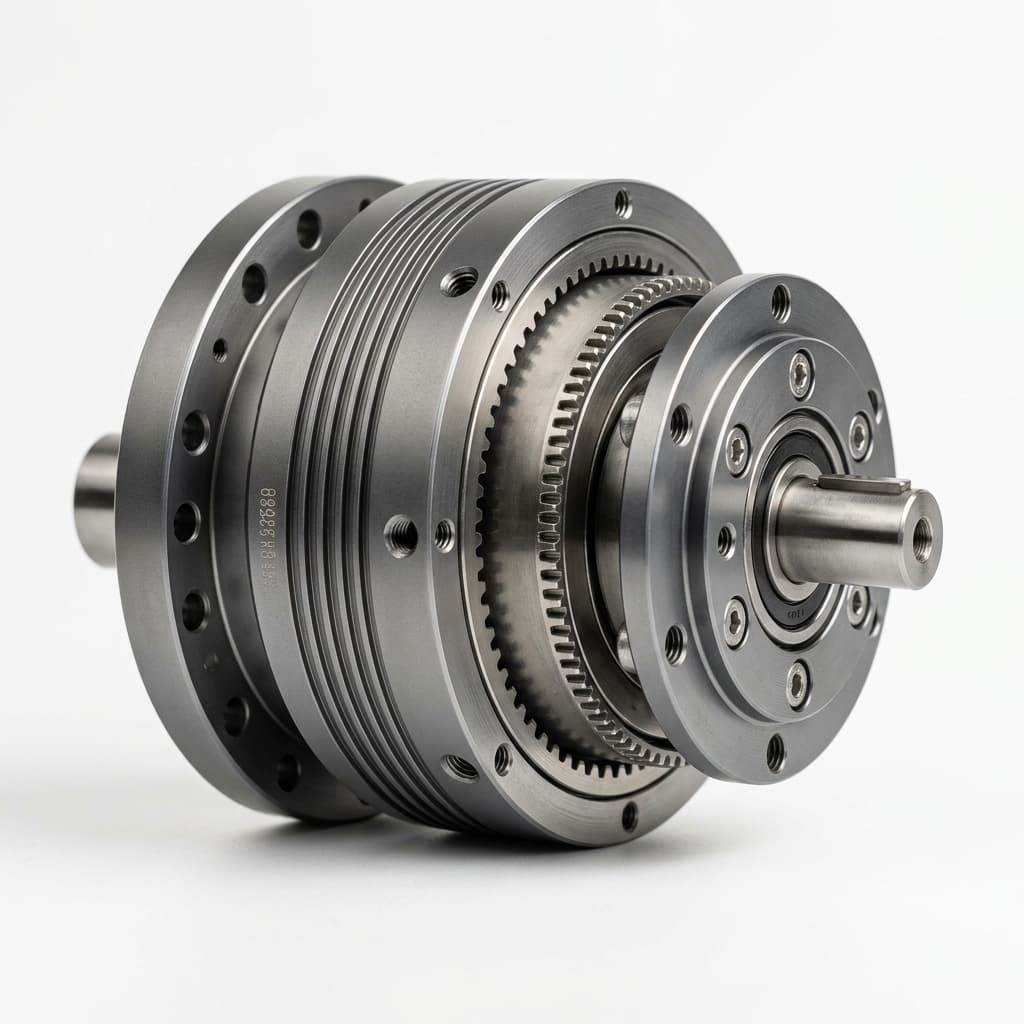
SMC Motor Core Route Boundaries for Robotics Programs
Boundary-first playbook for robotics teams evaluating soft magnetic composite core routes, including geometry-fit rules, interface controls, and pilot acceptance criteria.
Soft magnetic composite (SMC) discussions often become hype quickly.
For real programs, the useful framing is simpler: which geometry classes and validation paths justify an SMC-oriented route, and which should remain on conventional paths?
Positioning bridge: SMC content should support the motor-adjacent materials route, not imply Linkup owns upstream material production. Use this page to qualify geometry fit, interface control, and pilot evidence before routing the program into magnetic assemblies, complex CNC interfaces, or partner process review.
Related routes:
- Soft Magnetic Composite Motor Core Route
- Turnkey Magnetic Assemblies
- Robotics & Automation Solution Route
Execution scope note
This guide defines boundary conditions and validation logic. Execution ownership should stay explicit in each RFQ: machining/integration scope is separated from qualified partner process routing where applicable.
Where teams lose time
Three common failure modes:
- geometry-fit assumptions are not written down before supplier discussions;
- electromagnetic expectations are treated as universal, not system-specific;
- assembly-critical interfaces are ignored while route discussions focus only on core body shape.
Boundary table: where SMC-oriented routes fit
| Condition | Typical fit signal | Typical no-fit signal | Action |
|---|---|---|---|
| Geometry objective | Compact 3D flux-path ambition and packaging pressure | Conventional stack geometry with low packaging pressure | Run geometry-fit screening first |
| Program maturity | Architecture approaching freeze | Weekly architecture pivots | Keep concept on flexible route until design stabilizes |
| Interface criticality | Critical datums can stay machining-verified | Critical interfaces depend on unproven assumptions | Split scope and preserve machining control for datums |
| Validation readiness | Acceptance metrics and test plan already defined | No agreed test method or pass/fail boundary | Block route lock until validation protocol is signed |
Visual: route screening flow
Interface control rule (often missed)
Even if core-body route changes, assembly-critical interfaces should remain under explicit verification control:
- datum hierarchy frozen before pilot;
- inspection method reproducible across lots;
- acceptance boundaries linked to system-level test needs.
This protects the program from route-driven integration failures.
Pilot acceptance checklist
| Item | Required state before route lock |
|---|---|
| Geometry fit classification | In-scope and excluded classes documented |
| Interface control plan | Critical datums assigned to verifiable method |
| Validation protocol | Test setup, limits, and report format signed |
| Containment plan | Fallback route and owner matrix defined |
RFQ template block
Program: [name]
Core geometry class: [description]
Packaging constraints: [envelope]

Requested route study:
- In-scope geometry classes
- Excluded classes with rationale
- Interface verification plan
- Pilot validation protocol
Final decision rule
Treat SMC route selection as a boundary decision, not a branding decision.
More Posts
Stress Relief for CNC Aluminum Parts: Why Micron-Level Tolerances Fail After 48 Hours
Practical stress relief process guide for 2017 aluminum CNC parts covering residual stress sources, furnace parameters, soak times, and cooling methods to prevent post-machining deformation in precision programs.

CNC vs MIM for Robotics Actuators - Cost and Validation Framework
Practical decision framework for actuator teams comparing CNC-first and MIM-transition routes across volume bands, tolerance risk, and pilot release gates.
Digital Product Passport (DPP) Data Readiness for CNC Machined Assemblies
A 2026 procurement guide to CNC machining supplier DPP readiness under EU ESPR, with data vectors, RFQ audit checks, source limits, and buyer actions.