Start CNC-first when learning is still active
Use CNC for fast drawing revisions, bearing and encoder datum learning, fit checks, fixture changes, and early inspection evidence.
CNC is often the right first route for robotics motion hardware. When geometry, CTQs, material assumptions, and volume pressure stabilize, PM, MIM, or SMC may become a screened transition path.
Linkup frames this as bounded route screening, partner-routed execution planning, validation gates, and CNC-retained critical datums, not a claim of owned alternate-process production lines.
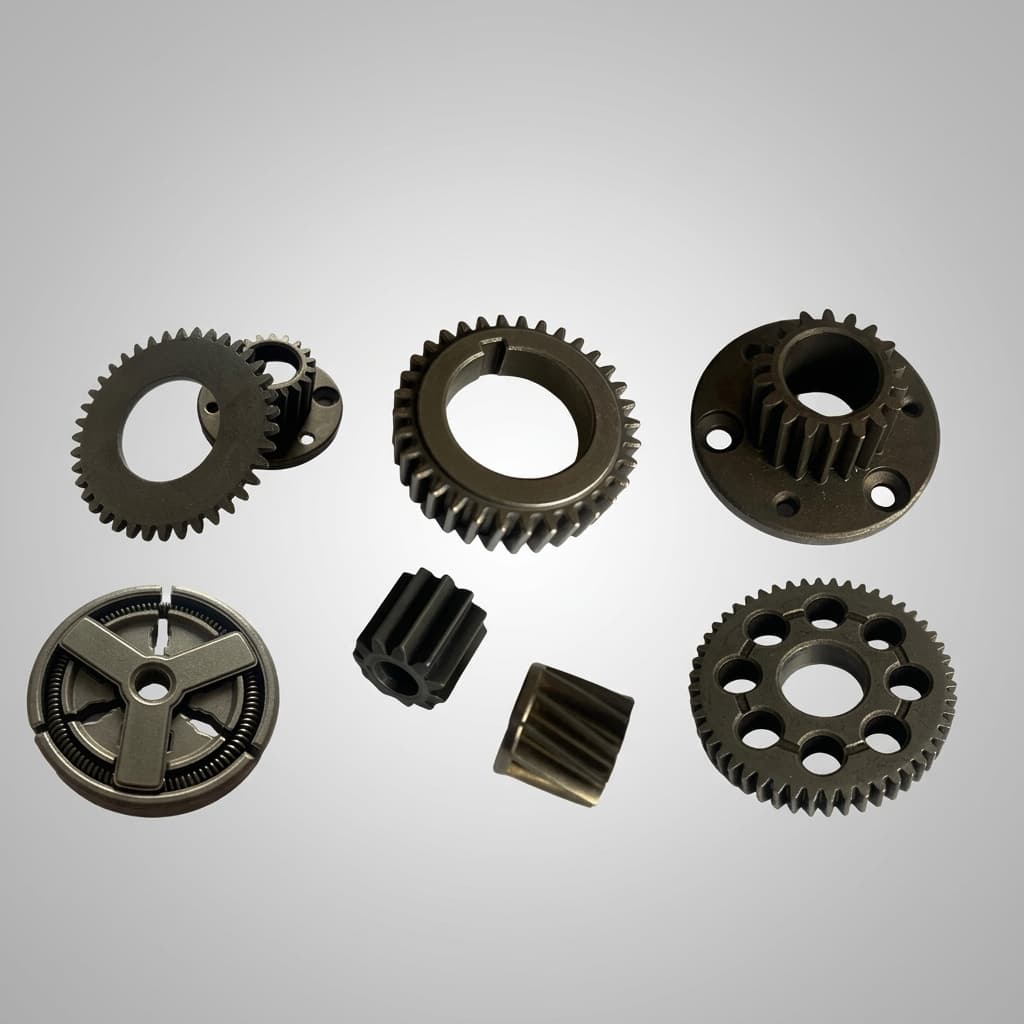
Representative PM, SMC, robotics, and lightweight component visuals make the CNC-to-alternate-process decision concrete while keeping ownership boundaries explicit.
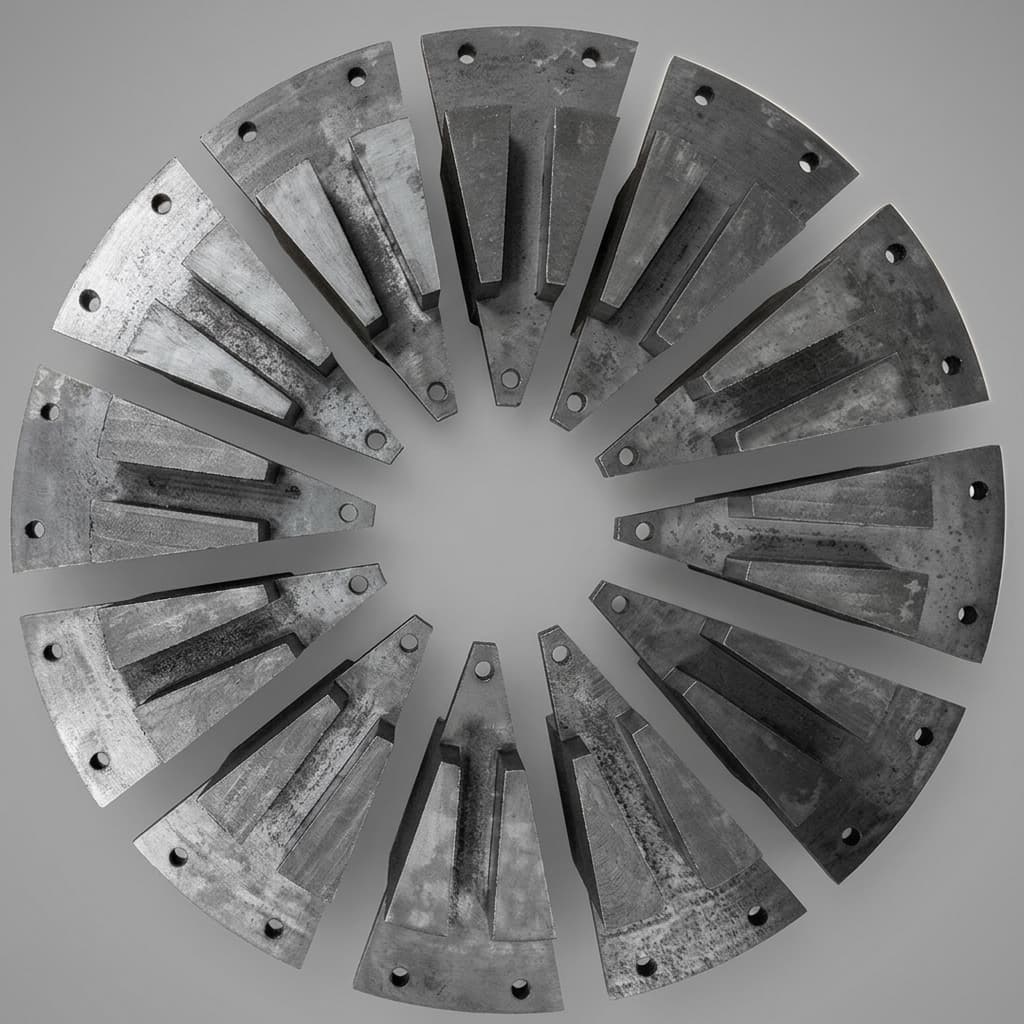
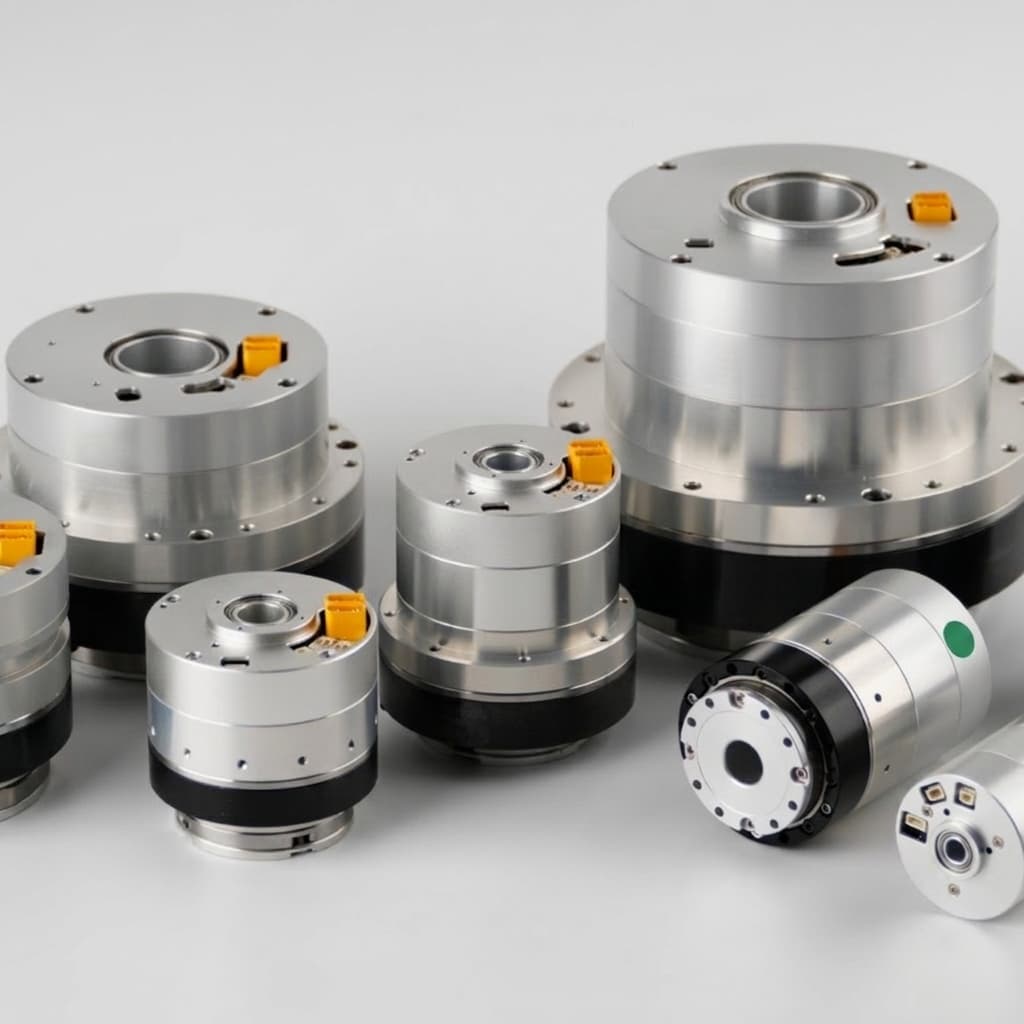
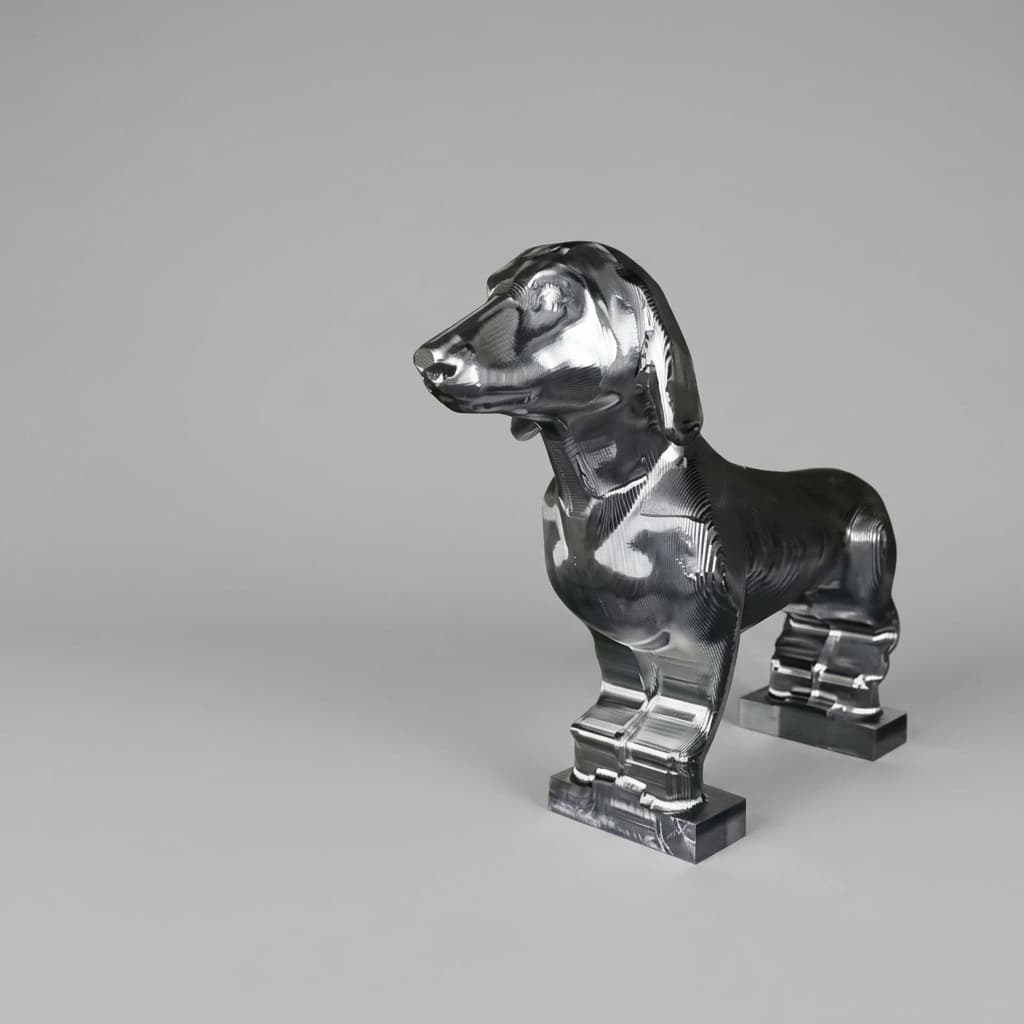
Use CNC for fast drawing revisions, bearing and encoder datum learning, fit checks, fixture changes, and early inspection evidence.
Identify which faces, bores, teeth, seats, and interfaces must remain CNC-retained or receive secondary machining after alternate-process routing.
Treat PM, MIM, and SMC as route-screening and partner-routed execution decisions that require feasibility, validation gates, and documented acceptance.
Before switching route, lock drawings, material assumptions, CTQs, inspection methods, secondary operations, and buyer-side approval evidence.
Use the product-family routes below to decide whether a part should stay CNC-first, enter PM/MIM/SMC feasibility, or keep critical datums under CNC and secondary-machining control.
| Route | Role | Keep CNC When | Transition Signal | Validation Gate |
|---|---|---|---|---|
| Powder Metallurgy Robotics Transition | Screens repeatable robotics component classes where CNC prototypes may become PM-oriented pilot candidates. | Retain CNC for early revision velocity, unstable datum strategy, and tight interfaces that still need assembly learning. | Consider PM when geometry stabilizes, volume pressure rises, and critical dimensions can be supported by secondary machining or agreed inspection gates. | Lock material assumptions, density expectations, secondary operations, CTQ list, and pilot acceptance method before route change. |
| Micro-MIM Gears for Robotic Hands | Frames tiny gear and linkage classes where size, repeatability, and volume may push beyond CNC economics. | Retain CNC or micro-machining for early tooth-form iteration, shaft-interface learning, and mating-stack validation. | Consider MIM when geometry is frozen enough for tooling review and the value of repeatability offsets validation cost. | Confirm material, shrinkage assumptions, feature-risk map, post-process needs, inspection access, and sample approval flow. |
| Soft Magnetic Composite Motor Core Route | Helps motor-adjacent teams discuss SMC-oriented geometry classes while keeping final motor production authority outside Linkup public scope. | Retain CNC for carrier interfaces, housings, shafts, sensor mounts, and critical datums around the magnetic circuit. | Consider SMC route screening when compact magnetic geometry, thermal assumptions, and frequency behavior justify a dedicated feasibility review. | Separate motor architecture ownership from component route planning, interface inspection, and document-pack expectations. |
| Titanium MIM Components for Robotics | Evaluates lightweight robotics component classes where titanium MIM may become relevant after CNC proof stabilizes. | Retain CNC for high-load interfaces, prototype revisions, surface-critical areas, and pilot quantities with changing geometry. | Consider titanium MIM when small complex geometry repeats at enough volume and validation cost can be justified. | Clarify alloy assumptions, mechanical targets, secondary machining, surface finish, inspection evidence, and qualification sample plan. |
Cost and validation framework for deciding when actuator components should stay CNC-first or enter MIM feasibility.
Read technical briefControl-plan guidance for moving a stable prototype package toward PM or MIM pilot review.
Read technical briefBoundary-first guide for SMC-oriented motor-core programs with clear interface and validation limits.
Read technical briefNo public claim is made here for owned PM, MIM, or SMC production lines. Linkup supports route screening, partner-routed execution planning, validation gates, CNC-retained datum planning, and RFQ coordination.
Only after geometry, material assumptions, CTQs, volume stage, secondary operations, and inspection requirements are stable enough to justify alternate-process feasibility and pilot validation.
Yes. Many transition plans keep bearing seats, sealing faces, encoder datums, shaft interfaces, or fastener-critical surfaces under CNC or secondary-machining control.
Upload CAD and drawings for a one-business-day first response when the RFQ package is complete. We review magnetic assembly, actuator-adjacent, complex CNC interface, and prototype-to-pilot risks before quote direction and partner-route planning.
Typical 5-9 working day CNC sample timing applies only when the CNC route is qualified after scope, material, inspection, partner route, and schedule review. Assembly and pilot support are scoped separately after prototype assumptions are clear.
Inquiry Email
For NDA-sensitive drawings, include your revision ID and target timeline in the first email.