RFQ Checklist
- Share interface standard and mating connector data
- Define leak threshold and test pressure condition
- Provide seat geometry CTQs and valve-stroke requirements
- Confirm prototype quantity and validation timeline
Precision machining support for blind-mate QDC metal bodies where valve-seat geometry and sealing datums determine leak-risk outcomes.
Thermal precision-interface route
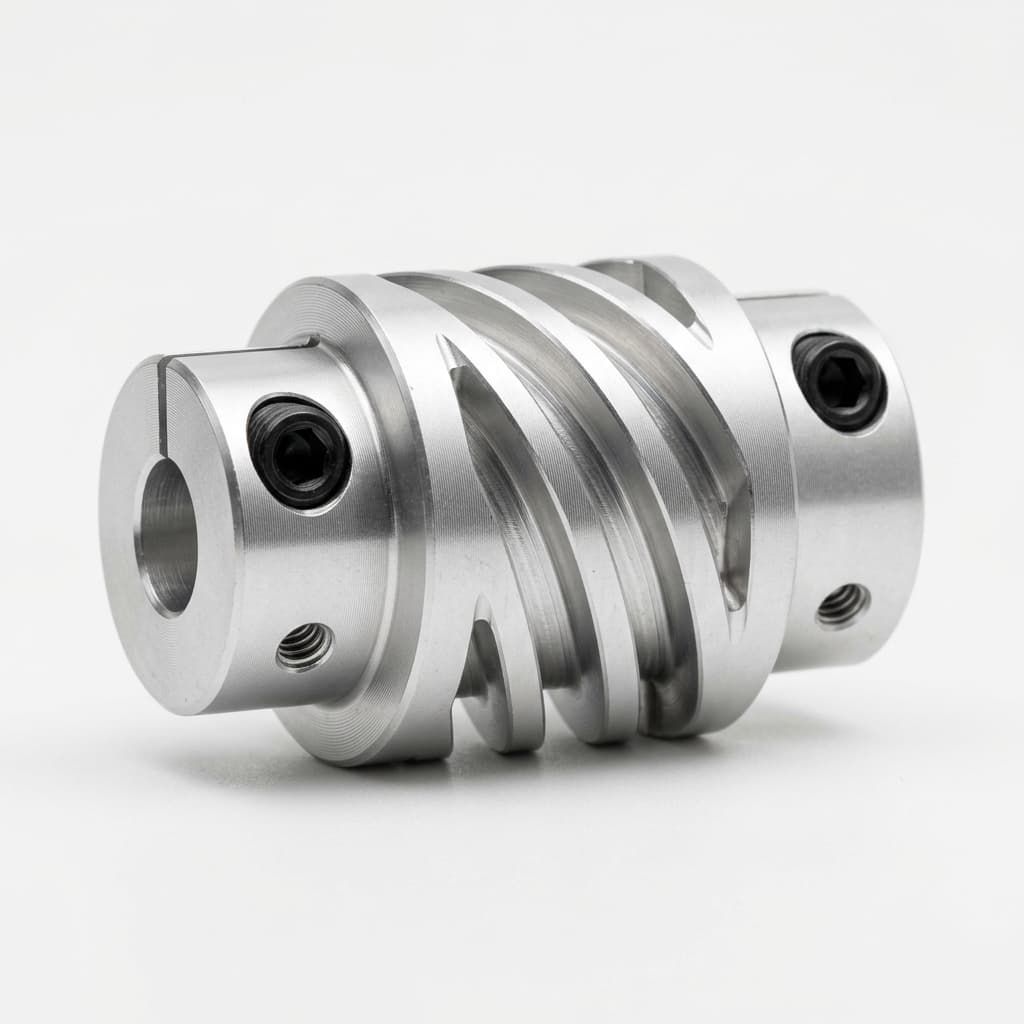
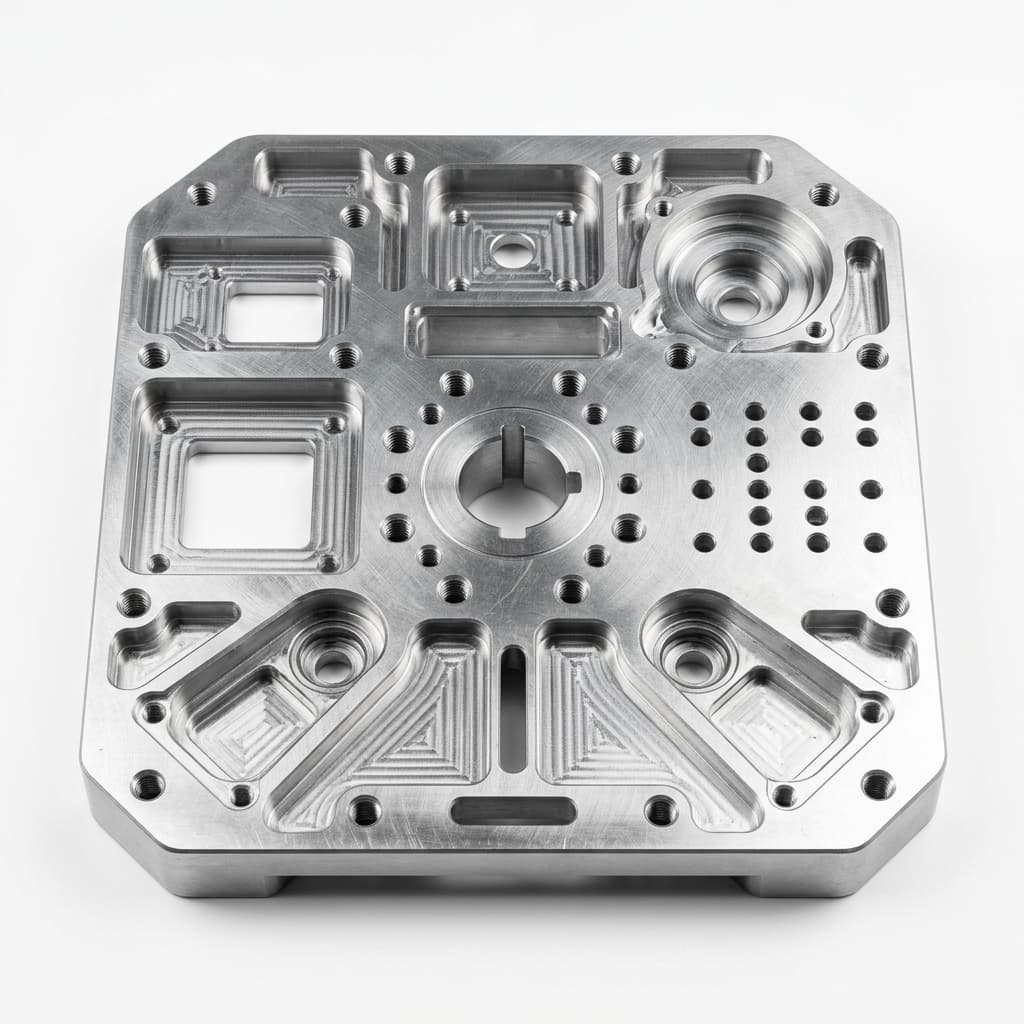
QDC work fits the same complex-interface logic as motion hardware: tight seats, threads, coatings, sealing datums, test-bound acceptance, and documented inspection scope.
Core bottleneck: Teams replacing long-lead incumbent QDC supply need machinable blind-mate hardware routes with inspection discipline.
| Metric | Typical Range | Why It Matters |
|---|---|---|
| Leak test readiness | Helium or pressure-hold method per customer standard | Blind-mate connectors fail commercially when leak-risk cannot be proven early. |
| Seat/port inspection control | CMM + gauge checkpoints on critical valve features | Valve-seat drift directly impacts disconnection and reseal reliability. |
Not by default. Interchangeability depends on interface standards and validation data provided in the RFQ package.
Share CAD, seat/port CTQs, and test acceptance method so we can map manufacturable tolerance boundaries quickly.
Decision-focused articles aligned to this page's component scope and sourcing risks.
Execution checklist for valve-seat and sealing-interface control on blind-mate QDC bodies.
Read technical briefUpload CAD and drawings for a one-business-day first response when the RFQ package is complete. We review magnetic assembly, actuator-adjacent, complex CNC interface, and prototype-to-pilot risks before quote direction and partner-route planning.
Typical 5-9 working day CNC sample timing applies only when the CNC route is qualified after scope, material, inspection, partner route, and schedule review. Assembly and pilot support are scoped separately after prototype assumptions are clear.
Inquiry Email
For NDA-sensitive drawings, include your revision ID and target timeline in the first email.