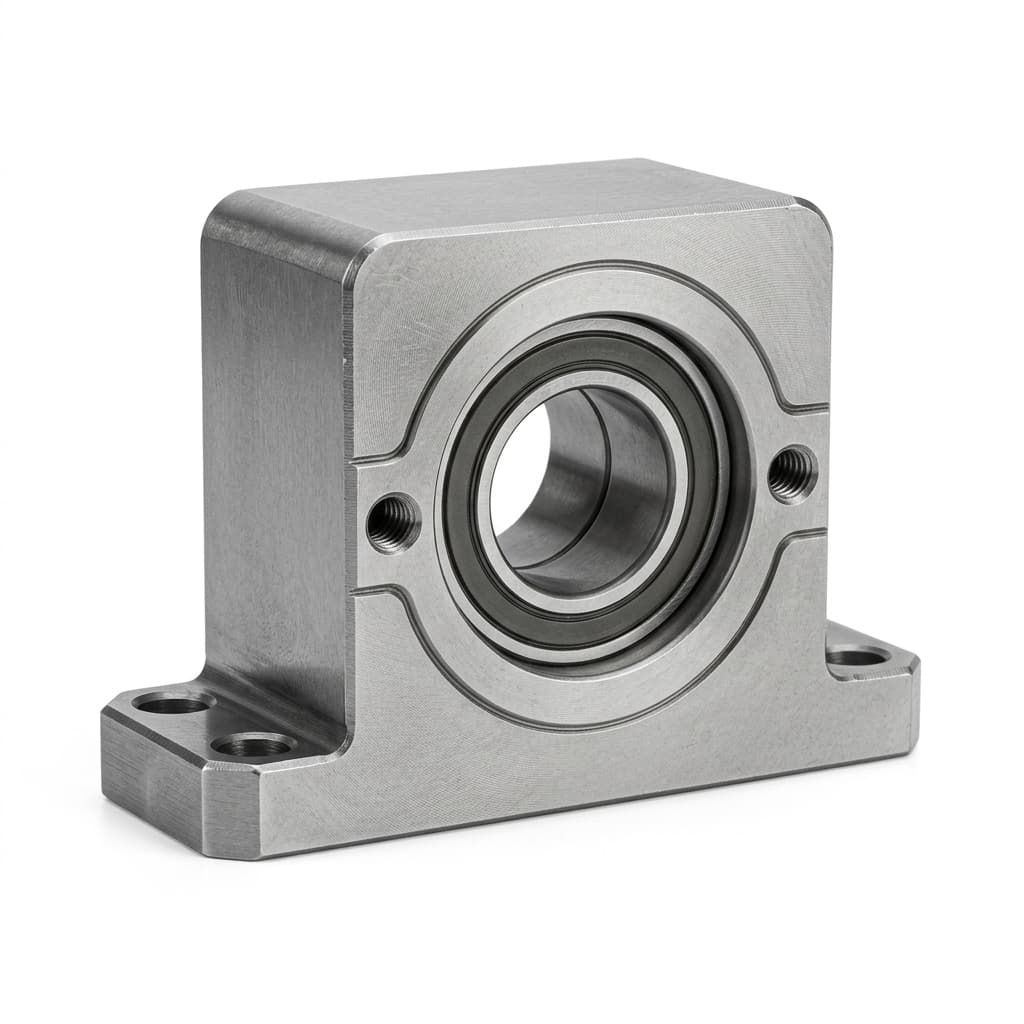
Blind-Mate QDC Body Machining Checklist for Leak-Risk Control
Engineering checklist for blind-mate QDC metal part execution, including valve-seat geometry, sealing interfaces, and bounded leak-risk validation.
When QDC lead times tighten, teams often source custom valve bodies to keep deployment schedules. The risk is not machining speed alone; the risk is interface reliability under real assembly conditions.
Related capability page: Zero-Leakage Blind-Mate QDC CNC.
Scope boundary for this checklist
This checklist is for machined metal-body execution and validation planning. It does not claim complete cooling-loop performance ownership at system level. System behavior remains architecture-dependent.
Blind-mate risk points
In blind-mate designs, three zones control most failures:
- valve-seat geometry consistency;
- sealing land finish and concentricity;
- mating guidance and insertion tolerance stack.
If one zone drifts, field behavior can degrade even when bench checks appear acceptable.
Failure-mode map by interface zone
| Interface zone | Typical defect | Field symptom | Preventive control |
|---|---|---|---|
| Valve-seat geometry | Seat-angle or profile variation | Slow seepage or unstable closure | CTQ profile check before finishing |
| Sealing land | Surface or concentricity drift | Intermittent leakage after assembly | Finish + concentricity verification rule |
| Blind-mate guidance path | Lead-in mismatch | Insertion force spike and seal damage | Guidance-feature tolerance contract |
| Threaded connector side | Thread form drift | Installation variability and seal preload inconsistency | Gauge and assembly torque-window checks |
What to lock in the drawing package
For sourcing and DFM review, include:
- critical interface definition (not only overall dimensions);
- explicit datum hierarchy for valve-seat and sealing land;
- assembly alignment assumptions;
- acceptance criteria for leak-oriented verification.
Avoid absolute marketing language. Keep every performance statement tied to test conditions and acceptance thresholds.
Visual: QDC validation flow
Leak test matrix (bounded-claim format)
| Test method | Typical use stage | Required contract fields |
|---|---|---|
| Pressure-hold | Early pilot screening | Pressure, hold time, allowable pressure drop |
| Helium leak test | Leak-critical acceptance stage | Differential, threshold, equipment/report format |
| Assembly-condition verification | Integration-stage check | Mating condition and fixture assumptions |
Without these fields, leakage discussions become non-auditable.
Process controls that matter
Execution quality improves when programs define:
- inspection checkpoints before finishing operations;
- revision-controlled surface treatment or cleaning expectations;
- part traceability format for pilot and repeat builds.
These controls reduce dispute risk between sourcing, manufacturing, and integration teams.
Procurement mistakes that create rework
| Mistake | Short-term effect | Late-stage penalty |
|---|---|---|
| Approving quote without method-bound leak criteria | Faster PO release | High dispute risk at pilot gate |
| Missing datum hierarchy on sealing features | Lower upfront review effort | Repeated clarification loops |
| Ignoring insertion-force assumptions in blind-mate path | Simplified drawing package | Seal damage and inconsistent assembly behavior |
| No fallback plan for first-article failure | Illusion of timeline certainty | Emergency rework and schedule debt |
Review questions for procurement + engineering
Use this list before PO release:
- Is the leak-test method explicitly named and agreed?
- Are critical sealing dimensions inspectable in production, not only in prototype?
- Is there a fallback plan if first-article leakage exceeds target?
- Are drawing revisions synchronized across all stakeholders?
This approach keeps custom QDC execution inside a bounded technical scope instead of a promise-based conversation.
RFQ template block
Program: [name]
QDC revision: [rev]
Mating standard: [spec]

Leak validation contract:
- Method:
- Test condition:
- Threshold:

Interface controls:
- Valve-seat CTQs:
- Sealing-land CTQs:
- Guidance-feature tolerance:

Governance:
- Required report format:
- Nonconformance response SLA:
A strong RFQ contract reduces both technical ambiguity and commercial risk.
Author

Categories
More Posts
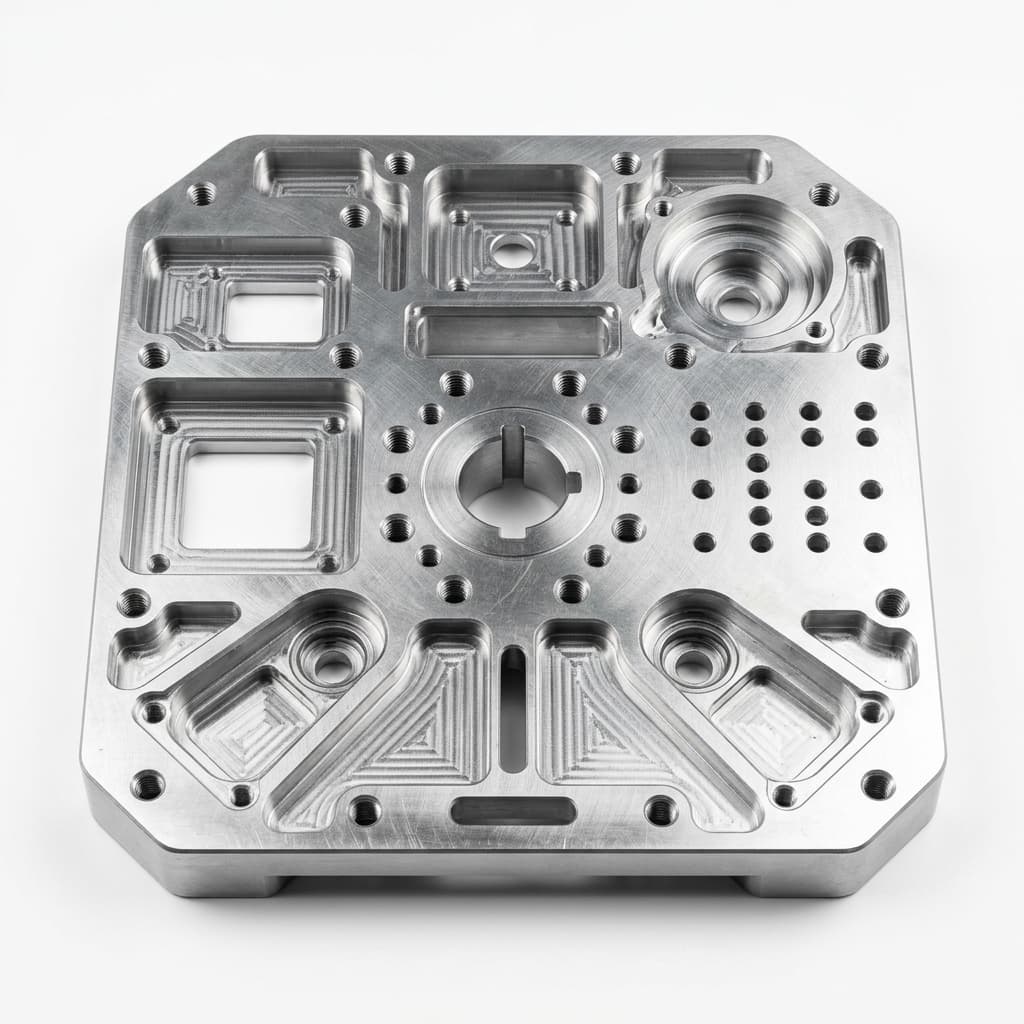
Megawatt CDU Manifold Machining: NPI Constraints and DFM Controls
A guide to machining and validating megawatt-class CDU manifolds with deep-port geometry, sealing interfaces, and staged approval gates.
Digital Product Passport (DPP) Data Readiness for CNC Machined Assemblies
A 2026 procurement guide to CNC machining supplier DPP readiness under EU ESPR, with data vectors, RFQ audit checks, source limits, and buyer actions.
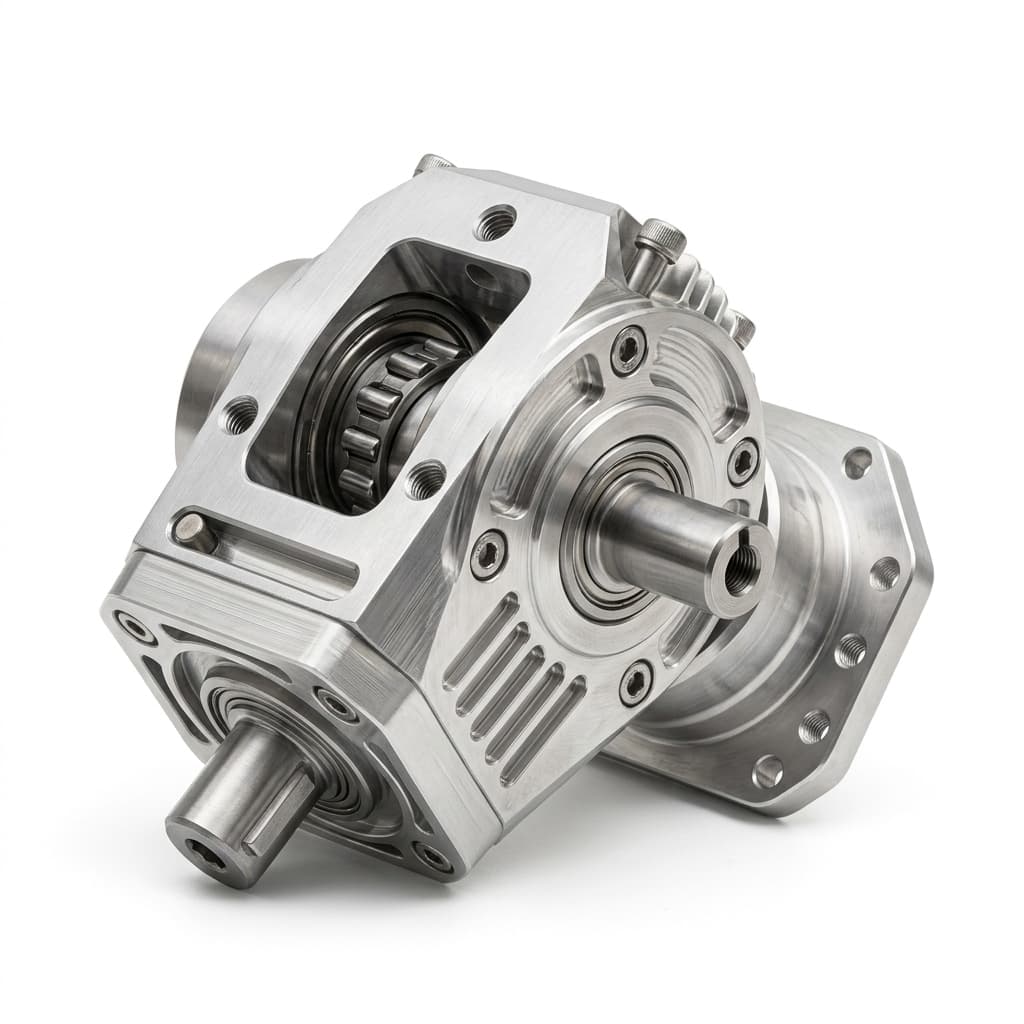
Stress Relief for CNC Aluminum Parts: Why Micron-Level Tolerances Fail After 48 Hours
Practical stress relief process guide for 2017 aluminum CNC parts covering residual stress sources, furnace parameters, soak times, and cooling methods to prevent post-machining deformation in precision programs.