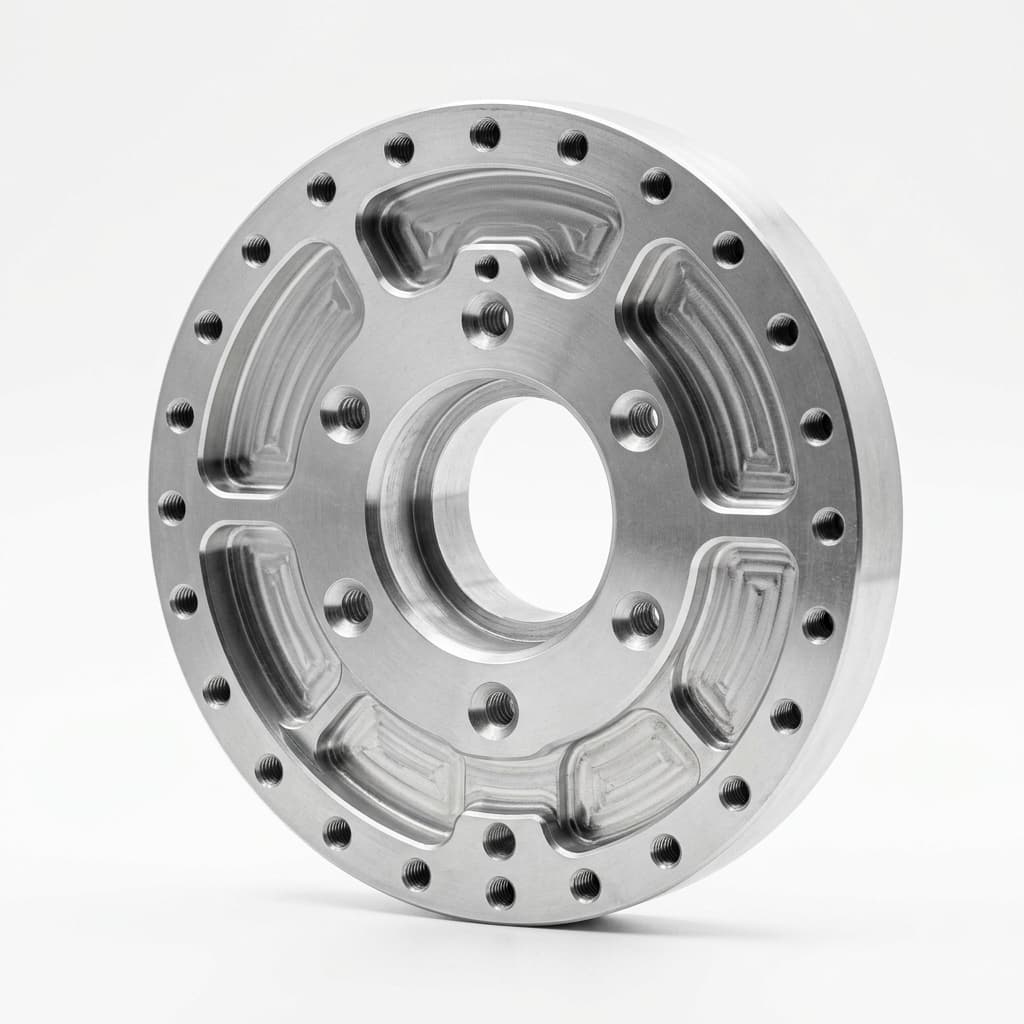
Machined-from-Billet Titanium as a Casting Delay Mitigation Path
Decision guide for using billet-machined titanium as a bridge strategy when casting schedules threaten prototype and pilot milestones.
When casting schedules move beyond milestone tolerance, teams need a controlled bridge path. Machined-from-billet titanium is often the fastest way to protect EVT/DVT/PVT cadence without forcing risky scope expansion.
Capability reference: Machined from Billet Titanium Alternative.
Decision trigger matrix
Use billet route as a bridge when all three conditions are visible:
| Trigger dimension | Bridge signal | No-bridge signal | Practical action |
|---|---|---|---|
| Schedule pressure | Critical milestone at risk from casting queue | Timeline can absorb casting delay | Keep casting route primary |
| Geometry feasibility | Features manufacturable with stable machining setup | Geometry relies on near-net casting behavior | Hold billet decision |
| Validation readiness | Acceptance method already defined | Test method and sign-off path unclear | Freeze validation plan first |
Billet machining is most useful when:
- prototype or pilot milestones are blocked by casting lead time;
- geometry can be manufactured with acceptable material utilization;
- program risk favors schedule certainty over near-term piece-part efficiency.
Cost and time comparison logic
Bridge decisions fail when teams compare only unit price. Compare at program level:
| Dimension | Casting-first route | Billet bridge route | Review note |
|---|---|---|---|
| First-article start | Often tied to queue and tooling windows | Starts faster once stock and route are ready | Critical for milestone recovery |
| Piece-part cost | Usually lower at stable high volume | Usually higher in early bridge phase | Acceptable if schedule value is higher |
| ECO flexibility | Lower before tooling updates settle | Higher for pilot-stage revisions | Useful in high ECO periods |
| Certification context | Strong for intended final route | Context-only unless qualification path defined | Keep claim boundaries explicit |
Visual: bridge route decision flow
What to align before execution
Before committing to the bridge path, align:
- geometry scope and revision stability;
- inspection and validation plan;
- expected handoff to downstream production route;
- documentation needed for program governance.
Certification and claim boundaries
In aerospace-adjacent programs, claim language must remain bounded:
- certification references are context unless formal qualification evidence exists;
- machining support is scoped to defined geometry and validation requirements;
- authority approvals remain with the applicable customer and regulator pathway.
Risk boundaries and wording discipline
In aerospace-adjacent programs, wording discipline is critical:
- do not imply certification ownership unless formally established;
- frame work as machining execution support within agreed scope;
- tie every acceptance claim to explicit verification methods.
Bridge launch gate table
| Gate | Exit criteria | Evidence owner |
|---|---|---|
| G1 Route decision | Schedule risk and geometry fit confirmed | Program manager + manufacturing lead |
| G2 Validation readiness | Measurement method and pass/fail criteria frozen | Quality owner |
| G3 Pilot readiness | First-article plan and report template accepted | Supplier QA + buyer engineering |
| G4 Handoff plan | Exit path to long-term route documented | Sourcing + program owner |
Practical decision matrix
Use three explicit scores (1-5) and require written assumptions:
- schedule impact score (weeks at risk if not bridged);
- technical-fit score (machinability and measurement readiness);
- governance-fit score (documentation and owner clarity).
If schedule impact is high and technical/governance fit are both acceptable, billet machining is typically the fastest practical mitigation path.
RFQ block teams can reuse
Program: [name]
Part family: [titanium component class]
Current risk: [casting delay in weeks]
Bridge quantity: [pilot lot size]

Validation:
- Critical dimensions and datums:
- Required measurement method:
- Acceptance threshold:

Governance:
- Document pack required:
- Handoff route target:
- Decision owner and date:
Bridge routes work best when they are treated as temporary, evidence-bound execution paths rather than open-ended route replacements.
Author

Categories
More Posts
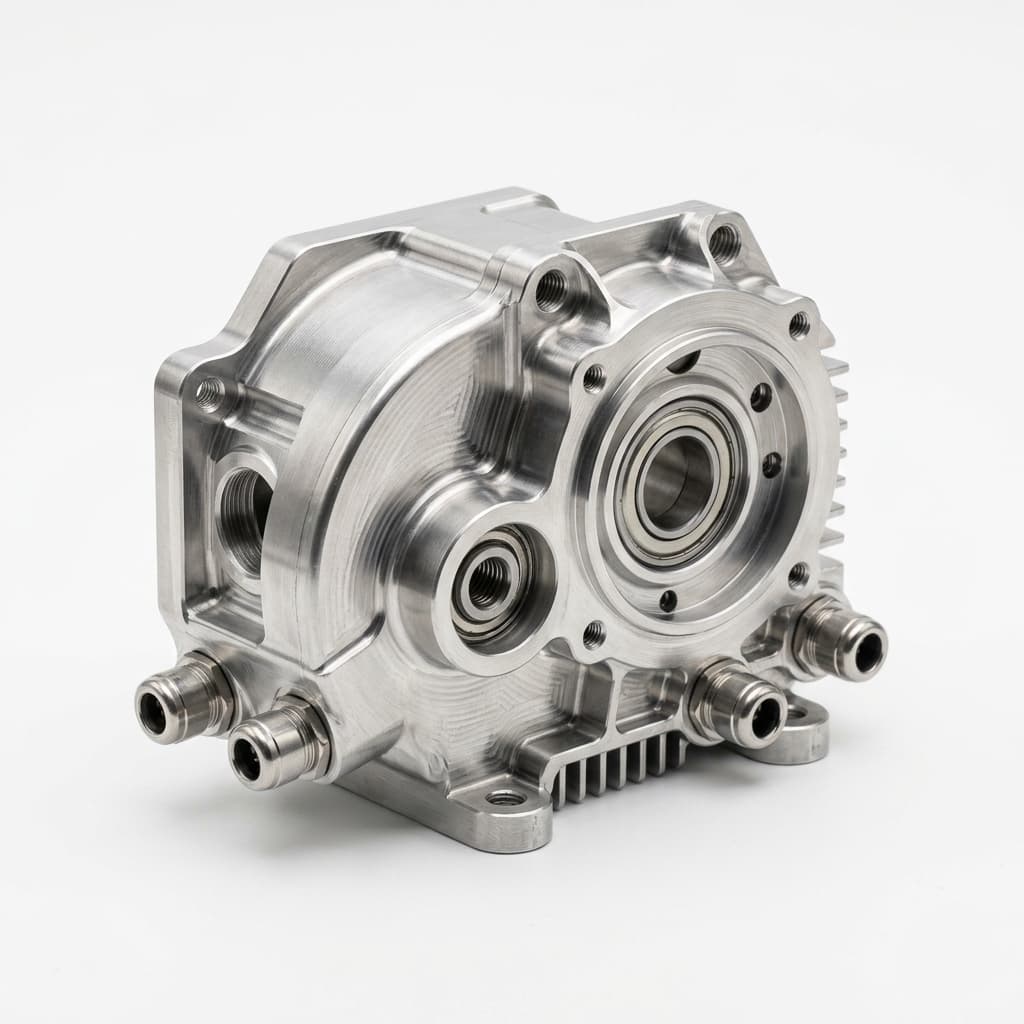
Humanoid Linear Actuator Enclosure DFM and Acceptance Workflow
Execution workflow for humanoid actuator enclosure machining with fit-critical interfaces, tolerance management, and validation checkpoints.
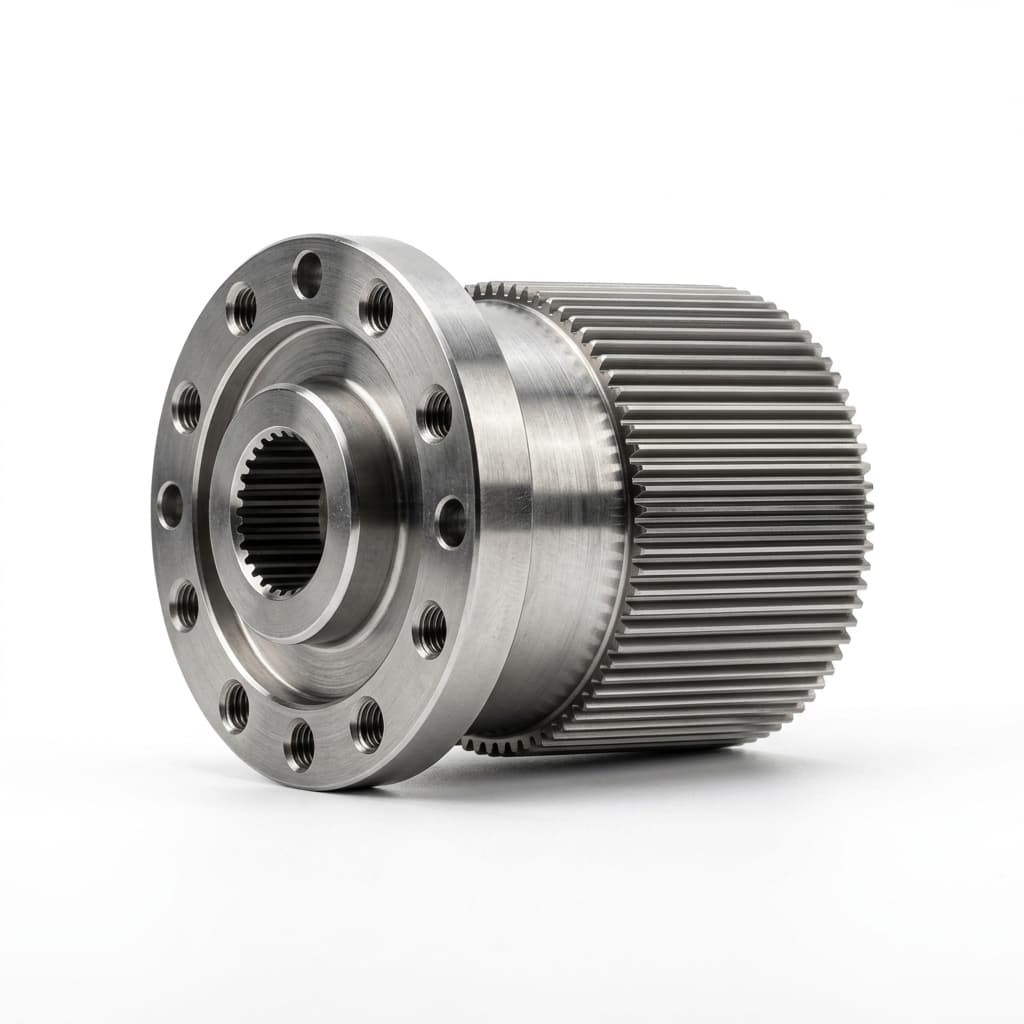
PM MIM DFM Handoff - Prototype to Pilot Control Plan
Detailed handoff protocol for PM/MIM transition programs, including data package requirements, gate governance, and escalation rules for robotics hardware teams.
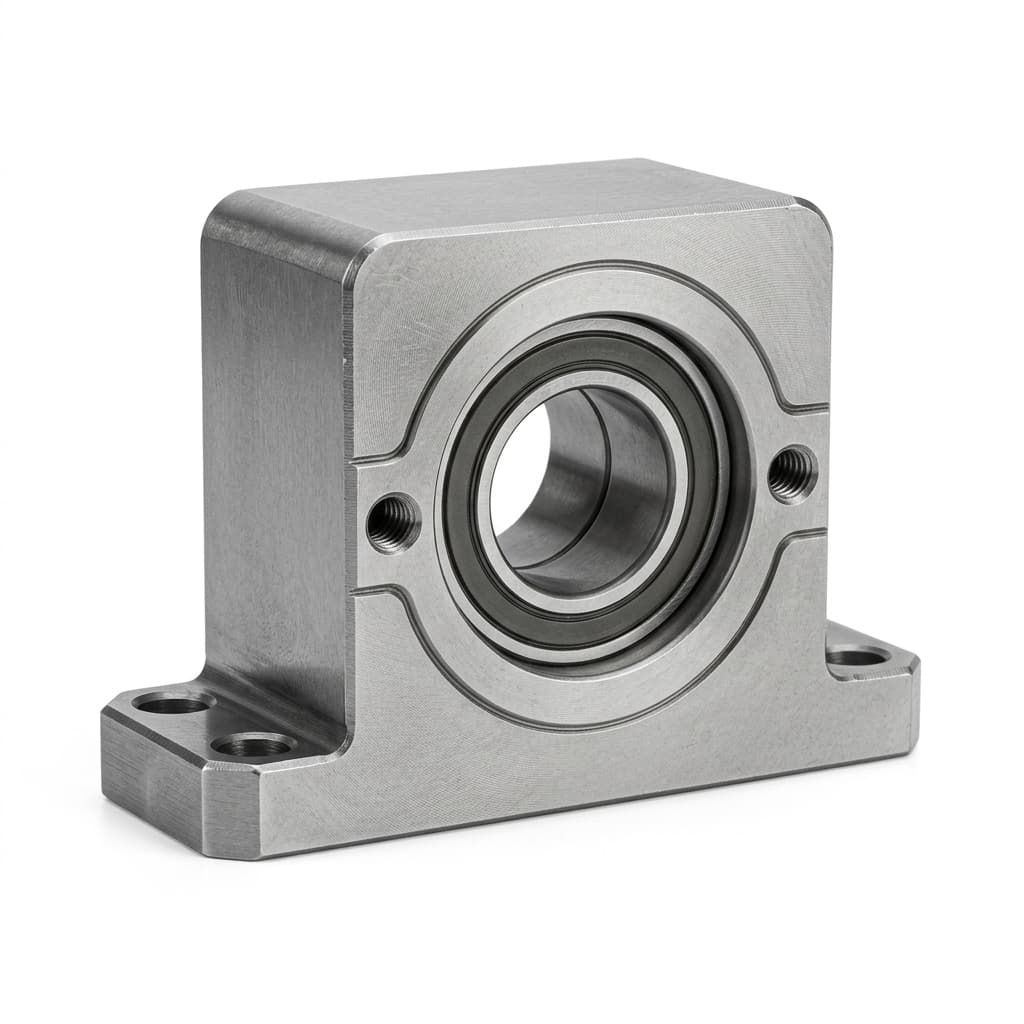
Blind-Mate QDC Body Machining Checklist for Leak-Risk Control
Engineering checklist for blind-mate QDC metal part execution, including valve-seat geometry, sealing interfaces, and bounded leak-risk validation.