Intent model
50/50 tool + report
OpenSpec keyword routing marks do=0.500 and know=0.500, so this stays one canonical hybrid URL.
Check whether your 1-degree stepper request belongs with a catalog motor supplier, a CAD-first motor-adjacent hardware review, magnetic/electromechanical assembly support, or manual RFQ boundary review.
Linkup is positioned for manufacturable interfaces: CNC shafts, carriers, housings, fixtures, magnetic assembly constraints, datum stacks, and inspection evidence. The page avoids pretending to confirm live motor stock, catalog price, or motor line ownership.
Decision-support only. It does not confirm live motor inventory, guaranteed pricing, or complete motor factory ownership.
Run the evaluator to classify the request before deciding between catalog supplier search, motor-adjacent CNC review, magnetic assembly review, or manual boundary review.
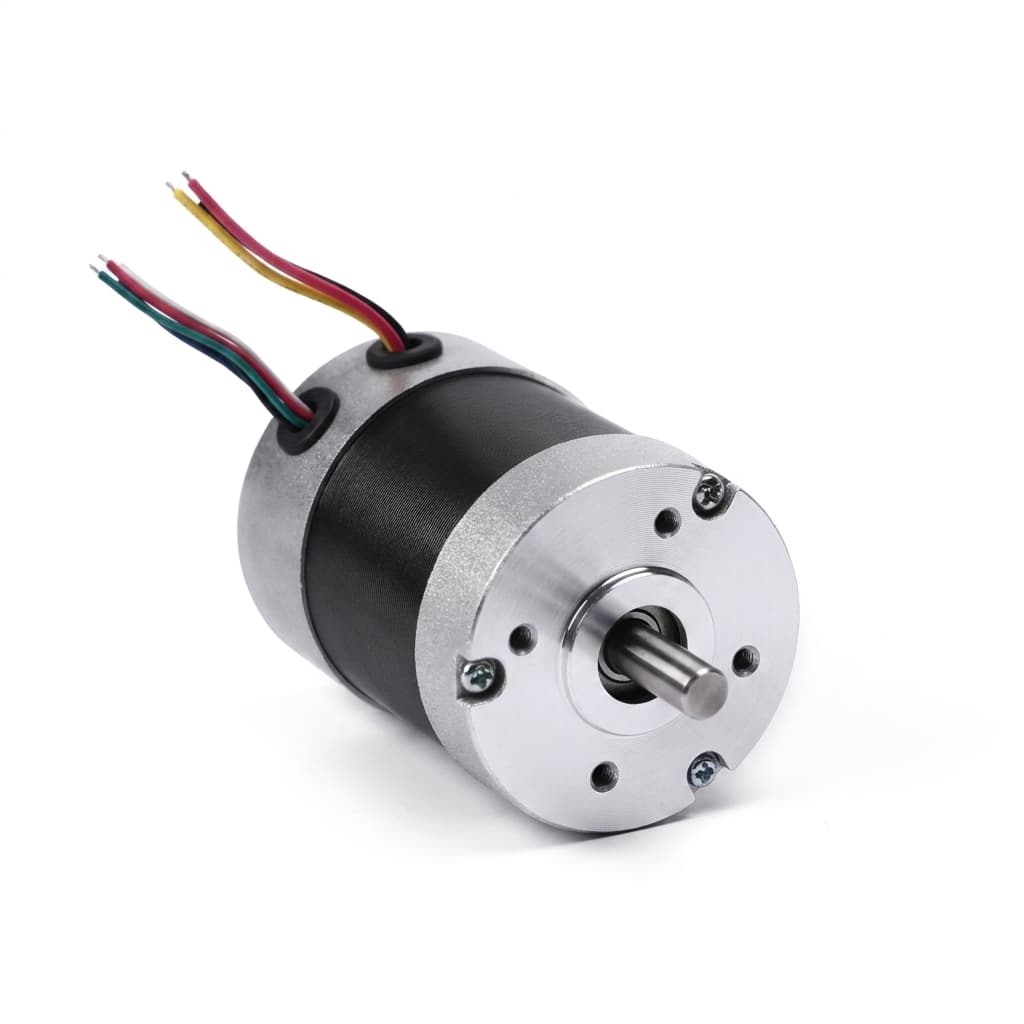
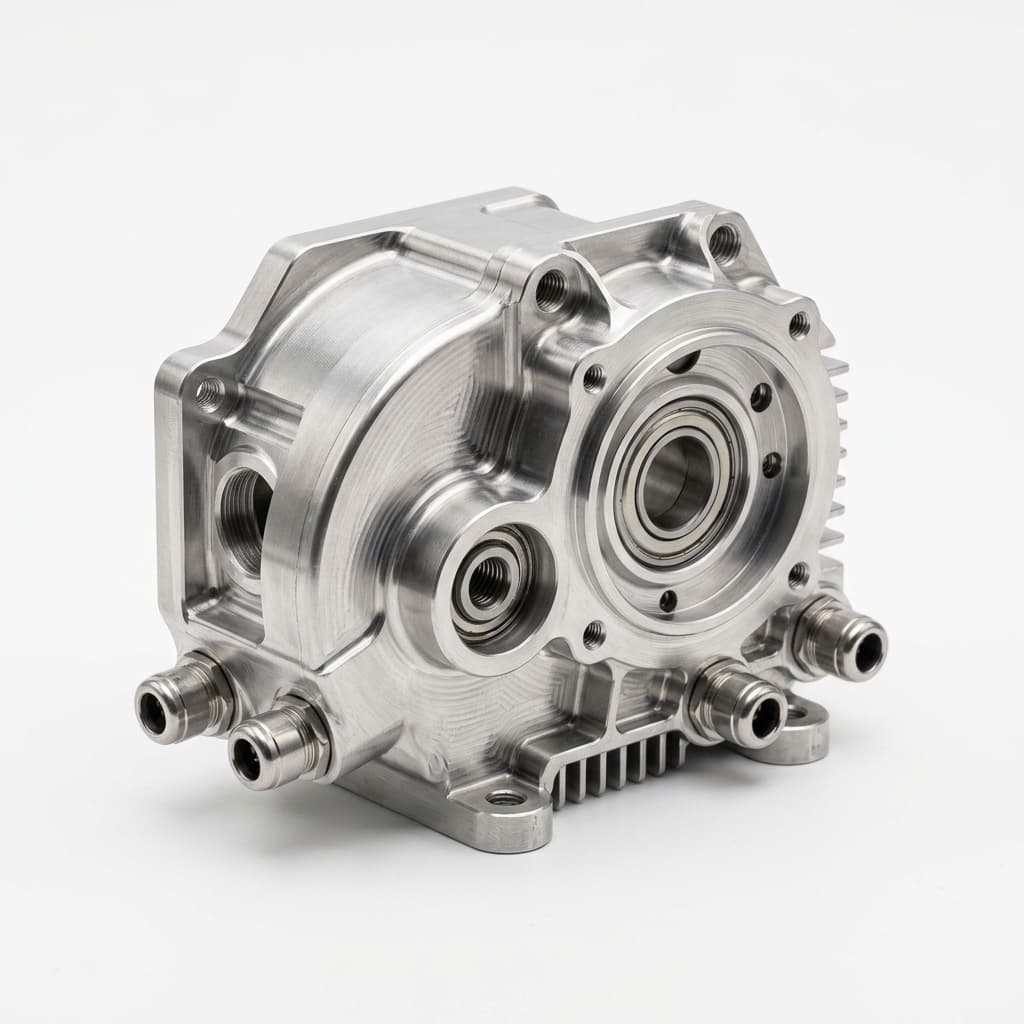
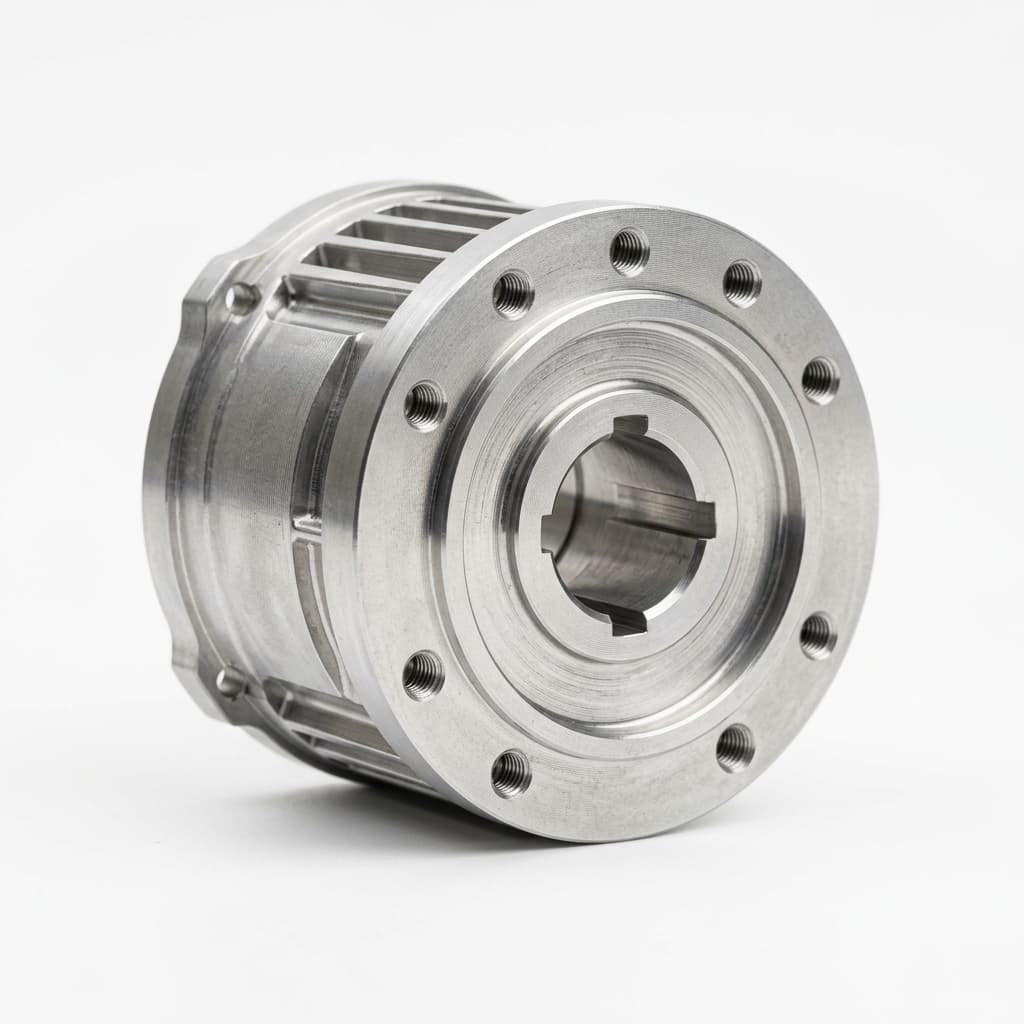
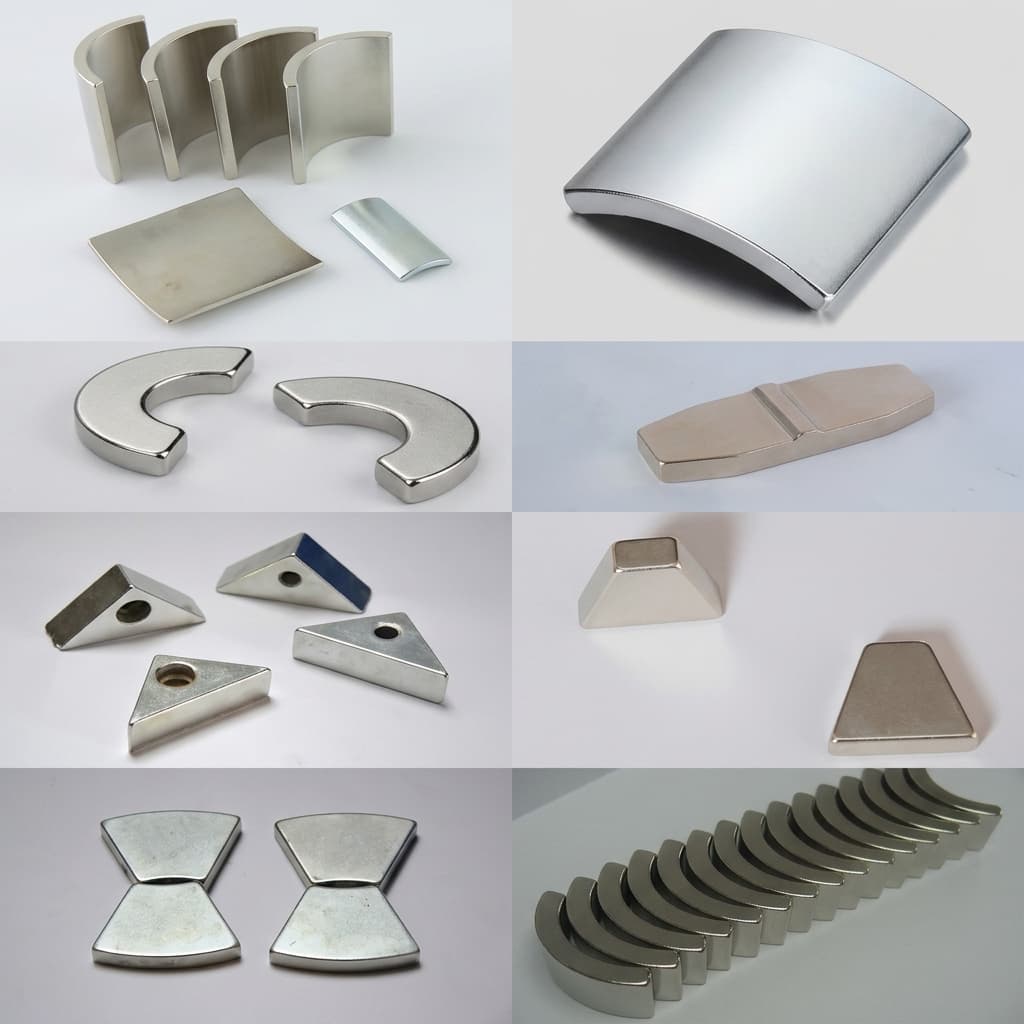
Representative visuals keep the tool tied to shafts, housings, encoder datums, magnets, and CNC-adjacent hardware rather than catalog-only motor sourcing.
Intent model
OpenSpec keyword routing marks do=0.500 and know=0.500, so this stays one canonical hybrid URL.
Primary fit zone
Best fit improves when the request includes shafts, carriers, housings, magnetic assemblies, or validation datums.
Boundary
The page helps screen supplier route and RFQ evidence; it does not claim live motor stock, catalog pricing, or owned motor lines.
For a standard 1-degree stepper motor, a catalog supplier search may be the fastest route. Linkup becomes relevant when the motor choice creates mechanical or assembly questions: shaft geometry, carrier tolerances, bearing/encoder datums, magnet retention, fixture access, or inspection evidence for prototype-to-pilot release.
The evaluator is deterministic: identical inputs return the same fit score and confidence label. It does not use hidden supplier rankings or live inventory data.
Separate catalog stepper sourcing from CNC interface hardware, magnetic/electromechanical assembly, and validation-gated review.
Output: Route fit band
Review step angle, torque target, sample deadline, volume, interface complexity, and RFQ evidence level.
Output: Score and confidence
Call out missing drawings, CTQs, torque curve, inspection notes, or ownership boundaries before the RFQ goes to review.
Output: Recovery guidance
Continue only when the request has enough evidence to support DFM, partner-route planning, or a manual boundary review.
Output: RFQ next action
This page uses declared inputs and dated internal routing context. Anything not present in that context is marked as unknown instead of being turned into a supplier claim.
| Evidence layer | How it is used | Status |
|---|---|---|
| Keyword intent snapshot | Confirms a single hybrid page instead of split tool and article pages. | OpenSpec dated snapshot: July 21, 2026. |
| Buyer-entered technical inputs | Provides deterministic scoring for identical step angle, torque, timing, volume, scope, interface, and RFQ evidence inputs. | User controlled; no hidden marketplace or live stock data. |
| Linkup positioning guardrails | Keeps language on motor-adjacent CNC, magnetic assembly, validation gates, and partner-routed execution. | Boundary language required near result and CTA. |
| Unknown market fields | Prevents fabricated claims about live inventory, motor price, supplier ranking, or guaranteed lead time. | Marked as RFQ confirmation needed. |
| Route | Best for | Weak point | Linkup fit |
|---|---|---|---|
| Catalog stepper distributor | Known frame size, standard shaft, published torque curve, standard lead time. | Limited help when the hard part is a custom carrier, shaft, housing, or inspection datum. | Low unless CAD interface hardware or DFM support is needed. |
| Custom motor OEM | Customer wants an electrical/magnetic motor design owner and production roadmap. | May be too broad for buyers who only need machined interfaces or assembly-risk review. | Conditional when Linkup scope is limited to CNC parts, carriers, fixtures, or validation evidence. |
| Linkup CAD-first review | Stepper-adjacent projects where drawings, STEP, CTQs, and datum stacks decide quote confidence. | Not a live inventory answer and not a substitute for motor-system ownership. | Strong when CNC, magnetic/electromechanical assembly, or inspection gates are central to the RFQ. |
Trigger: RFQ asks for a turnkey motor program without customer-owned architecture or a named motor supplier.
Control: Route to manual review and restate Linkup scope as CNC interface hardware, assembly support, or evidence package.
Trigger: Only step angle and holding torque are supplied, with no drawing, torque curve, CTQ, or sample acceptance target.
Control: Ask for STEP, drawing revision, duty cycle, inspection features, and deadline before quote direction.
Trigger: Buyer needs samples before DFM questions, material route, and partner execution path can be clarified.
Control: Use boundary state, quote assumptions explicitly, and separate feasibility review from production promise.
Trigger: The request is a standard catalog motor purchase with no custom mechanical or assembly interface.
Control: Recommend catalog supplier comparison first; keep Linkup involved only where CAD-first hardware review matters.
Use this page as a supplier-fit and RFQ-readiness screen. Linkup is strongest when the request includes motor-adjacent CNC parts, magnetic/electromechanical assembly support, custom interfaces, fixtures, or inspection evidence. Pure catalog motor buying should be compared with catalog suppliers first.
Upload STEP, 2D drawings, target step angle, torque curve or holding torque, duty cycle, sample deadline, annual demand, critical-to-quality features, inspection requirements, and any motor supplier or architecture boundary already chosen.
Boundary states prevent the page from pretending to solve requests outside its useful range. Very high torque, extreme volume, very short sample timing, unusual step angle, or unclear motor ownership should move to manual RFQ review.
No. It classifies supplier fit and RFQ evidence quality. Pricing, sample timing, and partner route need project-specific confirmation after drawings, material, inspection, and schedule assumptions are reviewed.
Send the RFQ package when the fit check points to CAD-first review, magnetic/electromechanical assembly support, or manual boundary triage.
Upload CAD and drawings for a one-business-day first response when the RFQ package is complete. We review magnetic assembly, actuator-adjacent, complex CNC interface, and prototype-to-pilot risks before quote direction and partner-route planning.
Typical 5-9 working day CNC sample timing applies only when the CNC route is qualified after scope, material, inspection, partner route, and schedule review. Assembly and pilot support are scoped separately after prototype assumptions are clear.
Inquiry Email
For NDA-sensitive drawings, include your revision ID and target timeline in the first email.